Umbraco Developer

What Sets a Skilled Umbraco Developer Australia Companies Prefer Apart

A skilled Umbraco developer is not just someone who can make pages render. They are someone whose work keeps marketing moving, keeps performance stable, and keeps future upgrades from becoming painful. What do Australian companies usually expect from an Umbraco developer? They typically expect a Umbraco developer Australia businesses trust who can ship reliably and collaborate well with non technical stakeholders. That means building features that content editors can actually use, documenting decisions, and communicating trade offs clearly. They are also expected to understand the Australian market basics, including accessibility expectations, privacy considerations, and the realities of lean internal teams who need autonomy after launch. How do they prove they understand Umbraco beyond the basics? They show fluency in how Umbraco is meant to be used, not just how to make it work. That includes choosing the right approach for Models Builder, understanding property editors, and structuring content types so editors are not forced into awkward workarounds. They also know where Umbraco ends and custom code should begin, keeping extensions light, predictable, and easy to upgrade. How do they design a CMS that editors actually enjoy using? They build the backoffice with the editor journey in mind. That usually means sensible document type composition, clear naming, helpful descriptions, and guardrails that prevent broken pages. They also provide reusable blocks or components, so content teams can create new pages without waiting on developers. When a team can launch a campaign page in an hour, the build is doing its job. How do they approach architecture so the site stays maintainable? They keep the solution modular and boring in the best way. That means clean separation of concerns, predictable patterns, and minimal coupling between content, templates, and integrations. They also avoid clever shortcuts that become upgrade traps. Australian companies often prefer developers who can explain why a simpler pattern will save money over the next two years. How do they handle performance, caching, and Core Web Vitals? They treat performance as a feature, not a final polish step. They understand output caching options, media optimisation, and how to reduce render blocking assets without breaking the editing experience. They also know how to profile a live site, not just guess. When speed issues appear after a campaign launch, they can diagnose quickly and make targeted fixes. How do they keep security and compliance in mind? They follow secure defaults and lock down common weak points, including admin access, roles, and third party packages. They also take care with forms, file uploads, and any custom APIs. In Australia, they are often expected to be mindful of privacy obligations and basic governance. They help teams reduce risk through practical steps like logging, patching, and dependency management. How do they work with integrations common in Australian businesses? They are comfortable integrating with CRMs, email platforms, analytics, search, payments, and customer portals. More importantly, they build integrations that fail gracefully and are easy to monitor. They also document integration flows in plain language. When a lead stops syncing to a CRM, the business should not need a full code deep dive to understand where to look. How do they manage deployments, environments, and content workflows? They set up environments that support safe releases, typically dev, staging, and production, with repeatable deployments. They understand how to manage configuration across environments and how to avoid secrets leaking into source control. They also respect content workflows. If content needs approvals, rollbacks, or scheduled publishing, they make sure the build supports it rather than forcing manual process hacks. How do they handle upgrades from Umbraco 8 to 10+ without chaos? They plan upgrades like a product change, not a weekend job. That includes auditing packages, identifying breaking changes, and mapping effort before promising timelines. They also minimise future upgrade pain by keeping customisations small and by choosing well supported packages. Companies prefer developers who leave the site in a state where the next major version is a manageable project. Learn more about why .NET development still powers high-performance business websites in 2026. How do they communicate and collaborate across designers, SEO, and stakeholders? They translate requirements into clear technical decisions and explain implications early. They ask the questions that prevent rework, like how templates should scale, what content needs to be reusable, and what SEO elements must be editable. They also work well with designers by implementing components faithfully and consistently. They make it easy to maintain design quality even as new pages are added over time. What makes their SEO and content structure work better in practice? They build flexible templates with structured data, clean URLs, and editable metadata where it matters. They also ensure redirects, canonical tags, and indexation controls are handled properly. They think about content modelling for SEO, not just page layout. When content types match search intent and internal linking is easy to manage, rankings are easier to improve. How can companies quickly spot these skills during hiring? They can ask for examples that show editor experience, upgrade work, and real world troubleshooting. A skilled developer can explain what they built, why they chose that approach, and what they would change next time. They can also be tested with scenario questions, like how they would model a multi location service business, or how they would handle a broken package after a minor upgrade. Their answers should be concrete, not vague. What should Australian companies look for in a final shortlist? They should look for developers who build for the next team, not just the next sprint. The best signal is work that stays stable, stays fast, and stays easy to change months after launch. A skilled Umbraco developer Australia companies prefer is the one whose builds reduce friction across content, marketing, and engineering. Their work makes the business faster, not dependent. FAQs (Frequently Asked Questions) What key qualities do Australian companies expect from an Umbraco developer? Australian companies typically expect Umbraco developers who can reliably ship features, collaborate effectively with non-technical stakeholders, build user-friendly content

What Sets a Skilled Umbraco Developer Australia Companies Prefer Apart Read More »

NET Development

Why .NET Development Still Powers High-Performance Business Websites in 2026

What keeps it relevant is not nostalgia. It is the combination of a mature platform, strong tooling, and a pragmatic path for companies that need performance without fragile complexity. Why are high-performance business websites still choosing .NET in 2026? They choose .NET because it balances raw performance with predictable engineering, especially when investing in Custom .NET development for scalable, long-term solutions. Teams can build APIs, websites, background jobs, and integrations in one coherent ecosystem without stitching together a dozen mismatched tools. For many businesses, that reduces operational risk. Fewer moving parts usually means fewer outages, clearer ownership, and easier hiring. How does ASP.NET Core deliver speed under real-world traffic? ASP.NET Core is still a strong pick for high-throughput web workloads because its request pipeline is efficient and its hosting options are flexible. Teams can run it behind modern reverse proxies, scale horizontally, and tune performance without rewriting the application. It also supports patterns that keep sites fast, like caching, async I/O, and lightweight endpoints. For businesses, that translates into consistent response times during campaigns, launches, and peak seasonal demand. Why does .NET remain a safe choice for security and compliance? They stay with .NET because security is built into the platform and reinforced by strong defaults. The framework supports modern authentication and authorization flows, common enterprise identity setups, and secure-by-default web development practices. Just as importantly, .NET fits established compliance workflows. Companies can implement auditing, logging, encryption, secrets management, and policy-based access in ways that security teams understand and can validate. What makes .NET a good fit for complex integrations and enterprise systems? Many business websites are not “just websites.” They connect to CRMs, ERPs, payment providers, inventory systems, analytics pipelines, and internal databases. .NET remains strong here because it has mature libraries, stable APIs, and first-class support for building services. Teams can expose clean endpoints, integrate messaging, and orchestrate workflows without turning the codebase into a patchwork of glue scripts. How does .NET support modern architectures like microservices and serverless? They can use .NET for monoliths, modular monoliths, microservices, and serverless, depending on what the business actually needs. That flexibility matters because not every organization benefits from microservices, but many still need parts of their system to scale independently. With .NET, teams can split services when it is justified, keep shared standards across services, and avoid rewriting everything just to adopt a newer architectural trend. Why do teams keep praising the .NET developer experience? They often stick with .NET because the tooling reduces friction. Visual Studio and VS Code workflows, strong debugging, good profiling options, and dependable build pipelines help teams ship faster and troubleshoot production issues quickly. That developer experience also matters for long-term maintenance. When a platform makes it easier to understand a system, onboarding is faster and fewer decisions get “tribal.” How does .NET help businesses control cloud costs without sacrificing performance? Performance affects cost. Faster code can mean fewer instances, less autoscaling overhead, and more headroom per machine. Learn more about what sets a skilled Umbraco developer Australia companies prefer apart. .NET continues to be attractive because teams can optimize hot paths, control allocations, and profile bottlenecks with mature tools. For businesses running at scale, those efficiency gains often show up directly in cloud bills, especially for API-heavy platforms. What role does .NET play in SEO, page speed, and user experience? They can pair .NET backends with modern frontend approaches to hit strong Core Web Vitals, especially when the architecture is designed intentionally. A fast API, good caching, and efficient rendering strategies reduce time-to-first-byte and keep page interactions responsive. For content-heavy business sites, .NET-based CMS setups and headless patterns also remain common. The backend stays stable while the frontend stays flexible, which helps marketing teams move quickly without breaking the platform. When is .NET not the best choice for a business website? It is not always the right fit if a team has no .NET experience and needs to ship a small, simple site immediately. In those cases, a simpler stack or managed website platform can be faster. It can also be overkill when the “website” is mostly static content with minimal logic. But for businesses with real workflows, data, user accounts, and integrations, .NET still tends to pay off. What is the practical takeaway for businesses planning for 2026 and beyond? They should treat .NET as a performance and reliability baseline, not as a legacy option. In 2026, it still supports modern web demands while reducing risk for teams that need security, scale, and long-term maintainability. If the website is expected to grow into a platform, .NET remains one of the most defensible choices they can make. FAQs (Frequently Asked Questions) Why is .NET still a top choice for high-performance business websites in 2026? .NET remains a preferred platform because it balances raw performance with predictable engineering, allowing teams to build APIs, websites, background jobs, and integrations within one coherent ecosystem. This reduces operational risks by minimizing moving parts, which leads to fewer outages, clearer ownership, and easier hiring. How does ASP.NET Core ensure speed and reliability under real-world traffic conditions? ASP.NET Core delivers speed through an efficient request pipeline and flexible hosting options. It supports running behind modern reverse proxies, horizontal scaling, caching, async I/O, and lightweight endpoints. These features help maintain consistent response times during campaigns, launches, and peak seasonal demand. What makes .NET a secure and compliant framework for business websites? .NET incorporates security at its core with strong defaults supporting modern authentication and authorization flows as well as enterprise identity setups. It aligns with compliance workflows by enabling auditing, logging, encryption, secrets management, and policy-based access controls that security teams can validate effectively. Why is .NET well-suited for complex integrations with enterprise systems? .NET excels in connecting business websites to CRMs, ERPs, payment systems, inventory databases, analytics pipelines, and more due to its mature libraries and stable APIs. It supports building services with clean endpoints and messaging integration without creating fragile or patchwork codebases. How does .NET support modern

Why .NET Development Still Powers High-Performance Business Websites in 2026 Read More »

Local SEO

Why Your Website Isn’t Ranking: 7 SEO Mistakes & Fixes

Why Your Website Isn’t Ranking: 7 Common SEO Mistakes and How to Fix Them In the competitive Australian digital landscape, seeing your competitors take the top spots on Google while your site lingers in obscurity is frustrating. You’ve put in the work, launched the site, and perhaps even written a few blogs, yet the traffic isn’t flowing. Why your website isn’t ranking usually boils down to a disconnect between what Google’s crawlers see and what your users experience. In 2026, SEO is no longer about “tricking” an algorithm; it is about demonstrating Experience, Expertise, Authoritativeness, and Trustworthiness (E-E-A-T). This guide breaks down the seven most frequent hurdles holding Australian businesses back and provides a clear roadmap to technical and content recovery. 1. Poor Technical Foundation: The Silent Ranking Killer Before Google can rank your content, it must be able to find, crawl, and understand it. If your technical SEO is broken, even the best content in the world won’t save you. Crawlability and Indexing Issues If Googlebot encounters a “noindex” tag accidentally left over from development or hits a wall of 404 errors, your site will vanish from search results. A messy site structure makes it difficult for crawlers to establish a logical hierarchy. The Fix: Conduct a Technical Audit 2. Ignoring Local SEO and Australian Search Intent Many businesses optimize for global terms while ignoring their local backyard. If you are a service provider in Sydney or Melbourne, ranking for a generic global term is less valuable than ranking for “specialist services in [City].” The Mistake: Generic Targeting Using US-centric spelling or failing to mention local landmarks and service areas tells Google your site might not be the most relevant result for an Australian user. How to Fix It 3. Thin Content and Lack of Topical Authority Google’s “Helpful Content System” prioritizes depth. If your pages are only 300 words long and offer surface-level advice, Google will view your site as “thin.” Understanding Topical Authority Topical authority is earned when you cover a subject so comprehensively that Google views you as a go-to resource. If you only write one article about a topic, you lack the supporting internal links to prove your expertise. Feature Thin Content High-Authority Content Word Count < 400 words 1,200+ words (as needed) Value Regurgitated facts Unique insights & data Structure Unorganized Clear H2/H3 hierarchy User Intent Barely addressed Fully satisfied 4. Neglecting Core Web Vitals and User Experience (UX) In 2026, page speed is a confirmed ranking factor. Google uses Core Web Vitals to measure how users perceive the experience of interacting with a web page. The Impact of Slow Loading If your site takes more than three seconds to load on a mobile device, your bounce rate will skyrocket. High bounce rates signal to Google that your page isn’t meeting user needs, leading to a drop in rankings. Best Practices for UX 5. Keyword Stuffing vs. Semantic Search The days of repeating your primary keyword 50 times are over. Modern search engines use Latent Semantic Indexing (LSI) and Natural Language Processing (NLP) to understand context. The Mistake: Over-Optimization Force-feeding keywords into sentences makes your content unreadable. This triggers spam filters and ruins the user experience. The Solution: Entity-Based SEO Focus on “entities”—related concepts and terms. For example, if you are writing about “SEO,” you should naturally mention “backlinks,” “keywords,” “search engine algorithms,” and “metadata.” 6. Weak Internal Linking Strategy Internal links are the “roads” that connect your pages. Without them, Googlebot might find your homepage but fail to discover your deep-service pages. Why Internal Links Matter Internal Linking Suggestion: [Anchor Text: technical SEO audit checklist] 7. Lack of High-Quality Backlinks Backlinks are like digital votes of confidence. If no reputable websites link to you, Google has no reason to trust your authority. Avoid “Black Hat” Links Buying cheap links from link farms will result in a manual penalty. Instead, focus on “Digital PR”—creating content so good that other Australian industry leaders want to link to it. Strategic Outreach Step-by-Step Framework for Recovery If you’ve identified why your website isn’t ranking, follow this 4-week recovery plan: Frequently Asked Questions (FAQ) 1. How long does it take to rank on Google in Australia? Typically, it takes 3 to 6 months to see significant movement. However, for highly competitive keywords, it can take 12 months of consistent effort. 2. Does social media help my SEO rankings? Social media doesn’t directly affect rankings, but it drives traffic and increases brand awareness, which can lead to natural backlinks. 3. Why did my rankings suddenly drop? This is usually due to a Google Core Update, a technical error (like a broken plugin), or a sudden influx of high-quality content from a competitor. 4. Is AI content bad for SEO? Google rewards high-quality, helpful content regardless of how it’s produced. However, unedited, generic content often fails the “Helpful Content” test and lacks E-E-A-T. 5. How often should I update my old blog posts? You should review your top-performing content every 6 to 12 months to ensure facts are current and links are functional. 6. Can a slow website stop me from ranking? Yes. Speed is a significant part of Google’s ranking algorithm, particularly for mobile search results. Conclusion: Turning Your Rankings Around Understanding why your website isn’t ranking is the first step toward digital dominance. By fixing technical errors, focusing on topical authority, and optimizing for the Australian user experience, you can climb the Search Engine Results Pages (SERPs).

Why Your Website Isn’t Ranking: 7 SEO Mistakes & Fixes Read More »

SEO Services

SEO Services Reimagined: How Modern Agencies Engineer Rankings Instead of Chasing Them

Introduction: The Day SEO Stopped Being a Game of Catch-Up A few years ago, an agency owner told me something that stuck:“Every time Google rolls out an update, half the industry panics—and the other half quietly gains market share.” That single sentence explains everything wrong with old-school SEO and everything right with modern SEO services. For years, businesses were taught that rankings come from reacting—reacting to algorithm updates, reacting to competitor moves, reacting to traffic drops. But today’s top-performing agencies don’t react. They engineer rankings. They design ecosystems where visibility becomes inevitable, not accidental. This article unpacks how SEO services have been reimagined, why chasing algorithms is a losing strategy, and how modern agencies build durable, future-proof rankings by understanding how search actually works now. The Shift: From Algorithm Obsession to Ranking Engineering Traditional SEO was built on a flawed assumption: that Google rankings could be “won” by manipulating isolated factors—links, keywords, or technical tweaks. Modern SEO rejects that premise entirely. Instead of asking “What did Google change this month?”, elite agencies ask:“What signals does Google consistently reward over time?” That mindset shift is everything. Google no longer ranks pages. It ranks entities, intent satisfaction, and behavioral outcomes. The algorithm is no longer a rulebook—it’s a pattern-recognition system trained to reward relevance, trust, and usefulness at scale. Modern SEO services engineer those outcomes deliberately. Old-School SEO vs. Signal-Based SEO Engineering Let’s break this down clearly. Old-School SEO Looked Like This: Results? Temporary gains, fragile rankings, constant volatility. Signal-Based SEO Engineering Looks Like This: This isn’t theory. It’s how the agencies dominating competitive SERPs actually operate. Search Intent Mapping: The Foundation Most Brands Skip Search intent is not a buzzword. It’s the instruction manual Google follows. Modern agencies don’t target keywords. They map intent layers: Each intent requires a different content format, depth, and UX approach. For example, ranking for “SEO services” doesn’t come from one sales page. It comes from an ecosystem: When intent is satisfied fully, rankings stabilize naturally. That’s engineering—not guessing. Topical Authority: Why One Great Page Is No Longer Enough Google’s systems now evaluate whether your site is about a topic—not just whether a single page mentions it. Topical authority is built when: Modern SEO agencies plan content like architects, not bloggers. Every page exists for a reason. Every article supports a larger narrative. The result?Google stops testing your rankings—and starts trusting them. Entity SEO: Teaching Search Engines Who You Really Are Entity SEO is one of the most misunderstood yet powerful elements of modern optimization. Search engines don’t just crawl text. They understand relationships: Elite agencies engineer clarity by: When Google understands who you are, rankings stop being fragile. You’re no longer a page—you’re a recognized authority. Behavioral Signals: The Ranking Factor Nobody Can Fake Long-Term Here’s an uncomfortable truth:Google watches what users do after they click. Modern SEO services optimize for: If users consistently choose you, stay with you, and come back to you, Google notices. This is why engineered rankings last longer than algorithm-chasing tactics. You can’t fake genuine usefulness at scale. AEO & Zero-Click Optimization: Winning Without the Click Search is no longer just ten blue links. Modern agencies optimize for: This is Answer Engine Optimization (AEO)—and it’s critical. Even when clicks decrease, visibility increases. Brands that become the answer build trust, authority, and demand—often before users ever visit the site. Smart agencies design content to be extracted, summarized, and cited by machines. That’s forward-thinking SEO. Why Chasing Google Updates Fails Every Time Algorithm updates don’t punish good sites. They remove artificial advantages. When rankings collapse after an update, it’s rarely because Google “changed the rules.” It’s because the site relied on shortcuts that no longer aligned with user satisfaction. Agencies that chase updates: Agencies that engineer rankings: Updates are filters, not enemies. How Elite Agencies Future-Proof Rankings Future-proof SEO isn’t about predicting updates. It’s about aligning with fundamentals that don’t change. Top agencies: They know that trust compounds. And compounding assets don’t disappear overnight. Ethical SEO: The Only Sustainable Path Forward Modern SEO services are ethical by necessity. Black-hat tactics fail faster than ever. AI detection, link spam classifiers, and behavior analysis have made shortcuts obsolete. Ethical SEO means: Instead, it focuses on clarity, usefulness, and long-term value creation. Ironically, ethical SEO now outperforms aggressive tactics—because it aligns with how search engines are designed to work. The Real Reimagination of SEO Services SEO is no longer about rankings. It’s about: Modern agencies don’t promise tricks. They build systems where rankings are the natural result of doing everything else right. That’s the reimagining. And it’s why the agencies engineering rankings are quietly dominating—while the rest keep chasing shadows. FAQs What does it mean to engineer SEO rankings instead of chasing them? Engineering rankings means designing a complete SEO system that aligns with search intent, topical authority, entity understanding, and user behavior from the start. Instead of reacting to algorithm updates, agencies build long-term signals that Google consistently rewards, making rankings stable, predictable, and resilient to future changes. Why do traditional SEO tactics fail in modern search engines? Traditional SEO focused on isolated tactics like keyword placement and backlinks without understanding intent or user behavior. Modern search engines evaluate trust, usefulness, and engagement. When tactics don’t align with how users interact with content, rankings become fragile and often collapse during algorithm updates. How does Answer Engine Optimization (AEO) improve visibility? AEO optimizes content to directly answer user questions in featured snippets, AI summaries, and voice search results. Even when clicks decrease, brand exposure and authority increase. This positions businesses as trusted answers, influencing decisions earlier in the buyer journey and strengthening long-term demand. Is topical authority more important than backlinks today? Backlinks still matter, but topical authority determines how much trust those links amplify. A site covering a topic comprehensively signals expertise to search engines. Without topical depth, even strong links struggle to sustain rankings in competitive niches over time. Can ethical SEO really outperform aggressive tactics? Yes. Ethical SEO aligns with how

SEO Services Reimagined: How Modern Agencies Engineer Rankings Instead of Chasing Them Read More »

Umbraco Development

Top 7 Benefits of Umbraco Development for Enterprise-Level Websites

Choosing the right content management system (CMS) is crucial for an enterprise’s digital strategy. Umbraco, an open-source CMS built on Microsoft’s powerful .NET framework, has become a top choice for organisations needing advanced web solutions that can grow with them. Enterprise websites have specific challenges that regular CMS platforms often struggle with. These challenges include managing large amounts of content, supporting many users at the same time, ensuring strict security measures, and smoothly integrating with existing business systems. Picking the wrong CMS can lead to performance issues, security risks, and expensive technical problems that disrupt business operations. This guide looks at the top 7 benefits of Umbraco development for enterprise-level websites. We’ll explore how Umbraco meets the complex needs of large-scale digital platforms, including its ability to handle growth, strong security features, cost-effective open-source model, and wide-ranging integration options. Whether you’re working on a new enterprise website or thinking about switching from your current CMS, knowing these key benefits will help you make a smart choice for your organisation’s digital future. What Makes Umbraco Scalable for Enterprise-Level Websites? Scalability for enterprise websites means the ability to handle exponential growth in content, users, and traffic without compromising performance or requiring complete system overhauls. Umbraco excels in this area through its robust .NET architecture and intelligent resource management capabilities. Efficient Management of Growing Content Volumes The platform manages growing content volumes through its efficient database structure and caching mechanisms. Umbraco’s content delivery system optimises database queries and implements smart caching strategies that reduce server load even when managing thousands of pages and media files. The system’s modular architecture allows enterprises to add functionality without disrupting existing operations. Consistent Performance During Traffic Spikes When facing enterprise website traffic spikes, Umbraco maintains consistent performance through load balancing and distributed caching. The CMS supports horizontal scaling, enabling businesses to add multiple server instances during peak periods. This approach ensures seamless user experiences during high-traffic events like product launches or marketing campaigns. Enhanced Scalability with Microsoft Azure Hosting Microsoft Azure hosting amplifies Umbraco’s scalability potential significantly. Azure’s cloud infrastructure provides: Azure’s integration with Umbraco creates a powerful combination where enterprises can scale from hundreds to millions of users without manual intervention, making it ideal for businesses experiencing rapid growth or seasonal traffic variations. This flexibility not only enhances the overall performance but also offers elasticity in managing resources effectively according to the varying demands of the business. How Does Umbraco Ensure Enterprise-Grade Security? Umbraco delivers robust security features that meet enterprise-level requirements through multiple layers of protection. The platform incorporates regular security patches and TLS 1.2 support as standard, ensuring data transmission remains encrypted and vulnerabilities are promptly addressed. Granular permissions form the backbone of Umbraco’s access control system, allowing administrators to define precise user roles and content access levels. This granular approach means marketing teams can edit specific sections whilst developers maintain system-level access, creating secure workflows that protect sensitive enterprise data. The platform’s multi-factor authentication capabilities add an essential security layer for enterprise environments. Users must verify their identity through multiple channels before accessing the CMS, significantly reducing the risk of unauthorised access to critical business content and systems. WCAG compliance represents another crucial security dimension, ensuring websites meet Web Content Accessibility Guidelines standards. This compliance protects enterprises from legal risks whilst demonstrating commitment to inclusive digital experiences. Key security implementations include: These comprehensive security measures create a fortress-like environment where enterprise data remains protected whilst maintaining the flexibility needed for complex organisational structures. How Does Umbraco Enable Smooth Integration With Other Systems? Umbraco’s integration capabilities enable enterprises to connect their CMS with existing business systems, creating unified digital ecosystems. The platform’s .NET foundation makes it particularly compatible with Microsoft technologies whilst supporting extensive third-party system compatibility. Integration With Microsoft Technologies Umbraco is highly proficient in integrating with Microsoft technologies, offering native compatibility with: These integrations eliminate data silos and enable seamless user experiences across Microsoft’s enterprise suite. Connectivity With Third-Party Platforms The platform supports robust connections with diverse business systems: Benefits For Enterprise Workflows These integrations deliver significant advantages for enterprise operations. Data consistency across systems reduces manual data entry and eliminates synchronisation errors. Automated workflows between platforms streamline business processes, whilst centralised user management through Active Directory enhances security and user experience. Real-time data sharing between systems enables better decision-making and improved operational efficiency across departments. Why Is Umbraco Considered a Cost-Effective Solution for Enterprises? Umbraco’s open-source nature eliminates the substantial licensing fees that plague many enterprise CMS platforms. Unlike proprietary solutions that charge per user, per site, or through complex tiered pricing models, Umbraco provides full access to its core functionality without any upfront costs or ongoing licence payments. The cost-effectiveness extends beyond initial savings through continuous updates and feature enhancements delivered at no additional charge. Enterprises receive regular security patches, performance improvements, and new functionality without the hefty upgrade fees typically associated with commercial CMS platforms. Financial Impact Comparison Consider the stark contrast with proprietary alternatives: Long-term Value Proposition The licensing fees elimination creates predictable budget planning for enterprises. Development teams can allocate resources towards customisation, integration, and enhancement rather than recurring licence payments. This approach particularly benefits organisations managing multiple websites or requiring extensive customisation, where traditional CMS licensing costs multiply exponentially. Enterprises typically achieve 60-80% cost savings compared to proprietary CMS solutions when factoring in multi-year implementations, making Umbraco an attractive proposition for budget-conscious organisations seeking enterprise-grade functionality. How Does Umbraco Offer Customisability to Meet Diverse Business Needs? Umbraco’s flexible architecture serves as the foundation for creating tailored solutions that adapt to unique enterprise requirements. Built on the robust .NET framework, this CMS allows developers to modify core functionalities, create custom modules, and implement bespoke features without compromising system stability. The platform excels at accommodating custom workflows that mirror specific business processes. Healthcare organisations can implement patient data management systems with strict approval chains, whilst manufacturing companies can create product catalogue workflows that integrate with inventory management systems. Financial services firms benefit from multi-stage content approval processes

Top 7 Benefits of Umbraco Development for Enterprise-Level Websites Read More »

CMS Migration

CMS Migration Checklist: What to Do Before Moving Your Business Website

What is CMS Migration and Why Do Businesses Need a Checklist for Smooth Migration? CMS migration involves transferring all website elements—content, data, design, and functionality—from one content management system to another. This complex process requires careful coordination to maintain website integrity whilst transitioning to a new platform. Businesses pursue website transition for compelling reasons: The CMS Migration Checklist becomes essential because migration risks are substantial. Without proper planning, businesses face data loss, broken functionality, SEO ranking drops, extended downtime, and design inconsistencies. A structured checklist ensures systematic preparation, reduces technical errors, and maintains business continuity during the transition. Professional business website migration demands methodical execution. Each step builds upon previous preparations, making comprehensive planning the foundation for successful platform transitions that enhance rather than disrupt online operations. What Are The Key Goals and Plans Before Migrating a Business Website? Successful CMS migration goals begin with defining specific objectives that align with your business strategy. Clear objectives might include improving site performance by 40%, reducing content management time by half, or enhancing mobile responsiveness to boost conversion rates. Migration planning Planning for the migration involves setting up a practical timeline of 3 to 6 months for complex websites, allowing extra time for unexpected difficulties. When budgeting, make sure to include: Team roles in migration When migrating, it’s important to assign responsibilities carefully. Choose a project manager to keep track of progress, technical leads for development tasks, content managers for data preparation, and SEO specialists to maintain search rankings. Risk assessment Identifying potential problems such as data loss, broken functionality, or drops in SEO ranking is crucial. For each risk, write down mitigation strategies—for instance, keeping staging environments and implementing thorough backup protocols. Communication planning To ensure everyone involved stays informed, create a communication plan that includes regular updates through scheduled meetings, progress reports, and clear procedures for escalating issues when they come up. How Should Businesses Audit and Prepare Their Website Data Prior to Migration? A comprehensive website audit serves as the foundation for successful CMS migration. Begin by cataloguing every piece of content across your site, evaluating each page, post, and media file for current relevance and accuracy. Content Cleansing Content cleansing requires systematic removal of duplicate pages, broken links, and outdated information that no longer serves your business objectives. This process typically reduces migration complexity by 30-40% whilst improving your new site’s performance. Data Preparation for CMS Migration Data preparation for CMS migration involves organising remaining content into logical hierarchies: Backup Your Website Database Create multiple backup copies of your complete website database, including all content, user data, and configuration settings. Store these backups in separate locations—cloud storage, external drives, and your hosting provider’s backup system. Document Your Current Site Structure Document your current site structure, including URL patterns, taxonomy systems, and custom fields. This mapping becomes essential when transferring content to your new CMS platform’s different organisational framework. What Criteria Should Guide the Selection of the New CMS Platform? Choosing CMS platforms requires systematic evaluation against your specific business needs and technical requirements. The right platform serves as your website’s foundation for years to come, making this decision critical to migration success. 1. Business Requirements Assessment Start by identifying core functionality needs: 2. Usability and Support Considerations Evaluate the learning curve for your team members who will manage daily operations: 3. SEO and Marketing Capabilities Modern CMS platforms should offer built-in SEO tools including customisable meta tags, URL structures, and XML sitemap generation. Marketing integration capabilities with email platforms, analytics tools, and social media channels streamline your promotional efforts. 4. Customisation and Integration Options Review available plugins, themes, and third-party integrations that extend platform functionality. For instance, an AI website builder might provide the best customization options, which could be beneficial for your specific needs. Consider API availability for custom development needs and compatibility with existing business tools like CRM systems or marketing automation platforms. 5. Security and Compliance Features Examine security protocols including data encryption, user authentication systems, and regular security updates. GDPR compliance features become essential for businesses handling European customer data, requiring cookie management and data processing controls. Which Migration Approaches Are Most Effective for Different Website Complexities? Manual migration works best for smaller websites with under 100 pages and straightforward content structures. This approach gives you complete control over each element’s transfer but requires significant time investment and technical expertise. Automated migration becomes essential for complex websites with thousands of pages, custom databases, or intricate user permissions. CMS migration methods like automated tools can handle bulk transfers whilst reducing human error risks. Choosing Your Data Export Strategy Simple websites benefit from single-batch exports using built-in CMS export functions. WordPress sites can utilise XML exports, whilst Drupal offers database dumps for comprehensive data transfer. Complex websites require strategic batch processing to manage technical challenges in migration: Database-heavy sites need specialised data export strategies involving SQL dumps, API connections, or third-party migration services. E-commerce platforms particularly benefit from staged migrations that preserve product catalogues, customer data, and transaction histories without disrupting ongoing operations. How Can Businesses Set Up the New CMS Environment Before Moving Content? Proper new CMS setup creates the foundation for successful content migration by establishing the technical infrastructure and configuration parameters needed for seamless data transfer. Installing the New CMS Platform Properly The installation process requires careful attention to server requirements, database configurations, and security protocols. Choose hosting environments that meet your new CMS’s minimum specifications for PHP versions, memory limits, and storage capacity. Install the platform on a staging server first to test functionality without affecting your live website. Configure SSL certificates, set up proper file permissions, and establish secure database connections during installation. Document all installation steps and credentials for future reference and troubleshooting. Configuring Essential Settings Before Content Transfer Environment configuration involves setting up critical parameters that ensure compatibility with your existing content structure. Configure URL structures, permalink settings, and taxonomy hierarchies to match your current website’s organisation. Establish user roles and permissions, configure media upload settings, and set

CMS Migration Checklist: What to Do Before Moving Your Business Website Read More »

SEO Services

Top Local SEO Strategies Every Business Owner Should Know in 2025

Introduction Imagine you run a cozy café in your neighborhood. You serve great coffee, but when people search “coffee shop near me”, your business doesn’t show up. Instead, your competitors grab all the attention. This is where Local SEO (Search Engine Optimization) comes in. It’s the secret to making sure your business appears in local searches when customers nearby are looking for what you offer. In 2025, mastering Local SEO isn’t just nice to have—it’s a game-changer for small businesses. See more: SEO Services Demystified: A Beginner’s Guide to Online Success What Is Local SEO? Local SEO is the process of optimizing your online presence to attract customers from nearby searches. Instead of competing with businesses across the country, Local SEO helps you stand out in your neighborhood or city. It ensures that when someone searches for “plumber in Sydney” or “Italian restaurant in Brooklyn,” your business has a chance to appear at the top. Why Local SEO Matters for Small Businesses For small businesses, Local SEO levels the playing field. You don’t need a huge marketing budget to reach your target audience—you just need to be visible where it matters most: local search results. Studies show that most local searches lead to a store visit within 24 hours. That means your next customer could literally be a block away, searching on their phone right now. Key Benefits of Local SEO Essential Local SEO Strategies in 2025 Common Mistakes Small Businesses Make with Local SEO Practical Examples of How Local SEO Works Tips for Small Businesses to Get Started with Local SEO Conclusion Local SEO in 2025 isn’t just a digital buzzword—it’s a powerful tool for small businesses to dominate their neighborhood online. With the right strategies, you can attract more local customers, build credibility, and increase sales without breaking the bank. Whether you run a café, a boutique, or a service business, Local SEO helps you show up where it matters most—right in front of people who are ready to buy. 👉 Start optimizing today, and let your business become the go-to choice in your community.

Top Local SEO Strategies Every Business Owner Should Know in 2025 Read More »

SEO Services

SEO Services Demystified: A Beginner’s Guide to Online Success

Introduction Imagine you’ve just opened a bakery in your neighborhood. You have delicious pastries, a cozy shop, and friendly staff—but customers are trickling in slowly. Why? Because in today’s world, people search online first. If your bakery doesn’t show up when someone types “best bakery near me” into Google, they’ll likely walk into your competitor’s shop instead. That’s where SEO services come in. In simple terms, SEO (Search Engine Optimization) is the process of making your website more visible on search engines like Google. SEO services are the professional strategies used to get your business in front of the right people at the right time. For beginners, it may sound technical, but at its heart, SEO is about connecting with customers who are already looking for what you offer. What Are SEO Services? SEO services are methods used to improve your website’s rankings on search engines. Instead of paying for ads, SEO helps your website appear naturally (organically) in results when people search for products or services like yours. These services usually include: Think of SEO services as a roadmap that guides customers straight to your business online. Why SEO Matters for Businesses Today The way people shop, search, and decide has changed. Almost every purchase decision begins online—whether it’s choosing a local dentist, finding a restaurant, or buying shoes. See more: The Importance of Local SEO for Business Growth and Visibility Here’s why SEO is vital in today’s digital-first world: Without SEO, your business risks losing valuable leads and sales to competitors who are easier to find online. Key Benefits of SEO Services SEO isn’t just about rankings—it’s about long-term growth. The main benefits include: Imagine a yoga studio. Without SEO, only word-of-mouth brings students in. With SEO, the studio shows up when someone searches “yoga classes near me”, filling classes with new students consistently. Types of SEO Services There are several types of SEO services that work together to create success: On-Page SEO Optimizing elements on your site—like page titles, headings, keywords, and internal links.Example: A restaurant uses keywords like “Italian food in New York” in its menu descriptions and blog posts. Off-Page SEO Building credibility outside your site, mainly through backlinks and reviews.Example: A local salon gets featured in a beauty blog, earning a backlink that boosts its authority. Technical SEO Fixing behind-the-scenes issues so Google can easily read your site.Example: An e-commerce store improves page speed to reduce bounce rates and rank higher. Local SEO Targeting customers nearby with Google Maps and local directory listings.Example: A plumber ensures their Google Business Profile is updated so they appear in “plumber near me” searches. Do-It-Yourself SEO: Advantages and Limitations Many small businesses start with DIY SEO. It can work—at least in the beginning. Advantages: Limitations: For example, a local bakery owner might write blogs and update their site, but struggle with technical SEO, limiting how fast they rank. Professional SEO Services: Advantages and Limitations Hiring professionals brings expertise and efficiency to the table. Advantages: Limitations: Hiring SEO experts is like hiring a skilled chef. You can cook at home, but a professional chef elevates the dining experience far beyond what you could do on your own. How SEO Services Drive Business Growth Online SEO is not just about clicks—it’s about measurable business growth. Example: A small clothing boutique invests in SEO. Within months, their blog posts like “Best Summer Dresses in Chicago” start ranking, bringing in steady online sales and foot traffic. Tips for Choosing the Right SEO Service Provider Finding the right partner can make or break your SEO success. Here’s what to look for: Conclusion SEO may sound complex, but at its heart, it’s about helping your business get found by the right people online. From boosting visibility to building trust and generating leads, SEO services are one of the most powerful investments for long-term business success. Whether you’re a local shop, a startup, or an established brand, SEO ensures that when customers search for products or services like yours, they find you—not your competitors. The digital world is crowded, but SEO levels the playing field. Start treating SEO as a long-term investment today, and you’ll reap the rewards of consistent traffic, loyal customers, and sustainable growth tomorrow.

SEO Services Demystified: A Beginner’s Guide to Online Success Read More »

SEO Services

The Importance of Local SEO for Business Growth and Visibility

In today’s digital landscape, local SEO has become an indispensable strategy for businesses looking to increase their online presence and attract nearby customers. As more consumers turn to search engines to find local businesses, the need to optimize for local search is more critical than ever. In 2025, local SEO remains one of the most effective ways to improve visibility, drive traffic, and ultimately grow your business. This article explores the importance of local SEO for business growth, including why it matters in 2025 and how it can help businesses of all sizes. We’ll look at key local SEO strategies, including content optimization, backlink building, mobile-first indexing, and how EEAT (Experience, Expertise, Authoritativeness, Trustworthiness) factors into your local SEO success. We’ll also discuss outdated SEO practices that are no longer effective, and provide actionable tips to ensure your business is fully optimized for local search. Why Local SEO Matters for Your Business Local SEO refers to optimizing your website and online presence to attract local customers who are searching for your products or services. Unlike traditional SEO, which targets global audiences, local SEO focuses on specific geographic areas. Local SEO is especially valuable for businesses with physical locations or those targeting a particular region. 1. Increased Visibility for Local Customers The majority of people searching for products and services online are looking for businesses in their area. For example, if you own a bakery in Chicago, optimizing for local SEO ensures that people searching for “best bakery near me” or “bakery in Chicago” will find your website. Without local SEO, you risk losing out on valuable foot traffic and online inquiries. 2. Mobile-First Indexing In 2025, mobile-first indexing is more important than ever. Google’s mobile-first approach means that search engines primarily use the mobile version of your website for ranking and indexing. Since local searches are often conducted on mobile devices, optimizing your website for mobile is crucial to ensuring visibility in local search results. 3. Improved User Experience (UX) User experience is becoming an increasingly important ranking factor in 2025. A website that is easy to navigate, loads quickly, and is mobile-optimized enhances user experience, which leads to higher rankings and better visibility in local search results. Key Local SEO Strategies to Boost Visibility To effectively leverage local SEO, businesses need to implement a comprehensive strategy that includes both on-page and off-page optimization. Here’s a breakdown of the key strategies to focus on in 2025: 1. Optimize Google My Business (GMB) Profile One of the first steps in optimizing for local search is to claim and optimize your Google My Business (GMB) profile. Google My Business is the most important tool for businesses looking to appear in local search results, particularly in the Google “Local Pack,” the map-based section of search results. 2. Local Content Optimization Content optimization is essential for improving your local search rankings. This involves creating content that is not only relevant to your audience but also geographically specific. 3. Backlink Building for Local SEO Backlinks are a crucial factor in any SEO strategy, but they are especially important for local SEO. Building backlinks from local websites and directories helps boost your website’s authority and relevance within your area. 4. Optimize for Mobile and Voice Search Given the rise of mobile usage and voice search, ensuring your website is optimized for both is essential for local SEO success in 2025. 5. EEAT: Build Authority and Trust In 2025, Google is more focused on websites that demonstrate EEAT (Experience, Expertise, Authoritativeness, and Trustworthiness). Local businesses can improve their EEAT signals by providing high-quality, authoritative content and showcasing their expertise within the local community. Outdated Local SEO Techniques to Avoid Some local SEO practices that worked in the past are no longer effective and can even harm your rankings. Here are some outdated techniques to avoid: Summary and Actionable Checklist Local SEO is crucial for businesses looking to increase visibility and drive traffic from nearby customers. By implementing the strategies outlined in this article, you can enhance your local search rankings and boost your online presence in 2025. Actionable Local SEO Checklist: By following these steps, you’ll position your business for local SEO success and ensure it stands out in local search results. Meta Description (150-160 words): Learn why local SEO is crucial for business growth and visibility in 2025. Discover actionable strategies for improving local search rankings, including Google My Business optimization, content optimization, backlink building, mobile-first indexing, and EEAT (Experience, Expertise, Authoritativeness, Trustworthiness). Avoid outdated techniques like keyword stuffing and inconsistent NAP information while boosting your site’s credibility and trust. Perfect for marketers and business owners aiming to increase local traffic and improve SEO performance. releated:Enhancing Your SEO with Links: Strategies for Success in Collaboration with an SEO Agency

The Importance of Local SEO for Business Growth and Visibility Read More »

Local SEO

How to Leverage Backlinking for Better SEO Results

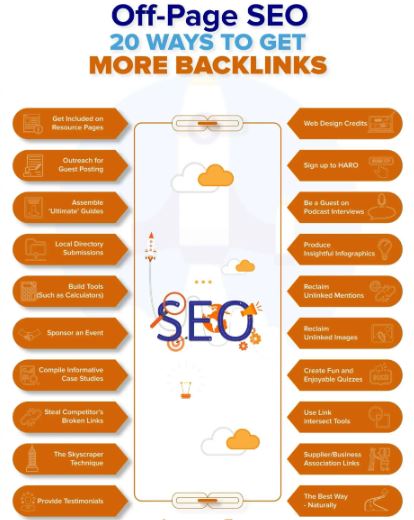
Backlinking remains one of the most powerful SEO tactics for increasing organic search visibility and improving rankings. But in 2025, it’s not just about quantity—it’s about quality. Search engines like Google prioritize backlinks from authoritative, relevant sources to determine a website’s credibility and trustworthiness. In this article, we’ll explore how to leverage backlinking effectively to boost your SEO results. We’ll cover the most current strategies for acquiring high-quality backlinks, the role of backlinks in overall SEO, and how to combine backlinking with other SEO techniques like content optimization, user experience (UX), and EEAT (Experience, Expertise, Authoritativeness, Trustworthiness). We’ll also discuss outdated practices that could hurt your SEO efforts and provide actionable tips for achieving long-term SEO success. What is Backlinking and Why Does it Matter? Backlinking, or link building, refers to the process of acquiring links from other websites that point back to your own. These links are considered “votes of confidence” by search engines. They indicate that your content is credible and relevant, making it more likely to appear higher in search results. Why Backlinks Are Crucial for SEO in 2025 How to Acquire High-Quality Backlinks in 2025 In 2025, the key to successful backlinking is focusing on quality rather than quantity. A few authoritative and relevant links will have far more impact than hundreds of low-quality ones. Here are some of the most effective ways to acquire valuable backlinks for your site. 1. Guest Blogging Guest blogging involves writing content for other websites within your industry and including a link back to your site. It’s a win-win: you get a quality backlink, and the host website gets fresh, valuable content. 2. Broken Link Building Broken link building is a technique that involves finding broken links on high-authority websites and offering your content as a replacement. This is beneficial for both parties—the website owner fixes a broken link, and you get a quality backlink. 3. Create Shareable Content Creating content that others want to link to naturally is one of the best ways to earn backlinks. 4. Build Relationships with Influencers and Industry Leaders Establishing connections with influencers and thought leaders in your industry can lead to valuable backlinks. 5. Skyscraper Technique The skyscraper technique involves identifying high-performing content in your niche, creating something even better, and then reaching out to those who linked to the original content to suggest your superior version. Best Practices for Using Backlinks to Improve Your SEO To make the most of your backlinks, it’s essential to follow best practices that ensure they positively impact your SEO efforts. 1. Focus on Relevant Backlinks Backlinks from authoritative sites within your niche are more valuable than links from unrelated or irrelevant websites. For example, if you sell running shoes, a backlink from a popular health blog is far more beneficial than one from a general entertainment site. 2. Diversify Your Backlink Profile A natural backlink profile consists of a variety of link types. Diversifying where your backlinks come from and how they are embedded is crucial to avoid penalties. 3. Ensure Backlinks Are from Trusted Sources Always focus on acquiring backlinks from reputable, high-authority websites. Links from low-quality or spammy websites can hurt your SEO efforts rather than help them. Outdated Backlinking Practices to Avoid in 2025 Some backlinking techniques that worked in the past have become outdated and can even harm your SEO efforts today. Here are some practices to avoid: How Backlinking Fits Into the Bigger SEO Picture Backlinking is just one component of an effective SEO strategy. To fully leverage backlinks for better SEO results, they need to work in harmony with other SEO tactics: Summary and Actionable Checklist To maximize the benefits of backlinking in 2025, you must focus on acquiring high-quality backlinks from authoritative, relevant sources. Follow these best practices and avoid outdated techniques to ensure that backlinks help improve your SEO and drive more organic traffic to your website. Actionable Backlinking Checklist: By following these strategies, you’ll build a strong backlink profile that not only improves your SEO but also enhances your online credibility and visibility. Meta Description (150-160 words): Learn how to leverage backlinking to improve your SEO results in 2025. Discover effective strategies for acquiring high-quality backlinks, including guest blogging, broken link building, and influencer collaborations. Avoid outdated techniques like buying backlinks and excessive link exchanges. This guide offers actionable tips to help marketers, bloggers, and SEO professionals build a strong backlink profile that boosts website rankings and drives organic traffic. releated:Enhancing Your SEO with Links: Strategies for Success in Collaboration with an SEO Agency

How to Leverage Backlinking for Better SEO Results Read More »