

Choosing the right content management system (CMS) is crucial for an enterprise’s digital strategy. Umbraco, an open-source CMS built on Microsoft’s powerful .NET framework, has become a top choice for organisations needing advanced web solutions that can grow with them.
Enterprise websites have specific challenges that regular CMS platforms often struggle with. These challenges include managing large amounts of content, supporting many users at the same time, ensuring strict security measures, and smoothly integrating with existing business systems. Picking the wrong CMS can lead to performance issues, security risks, and expensive technical problems that disrupt business operations.
This guide looks at the top 7 benefits of Umbraco development for enterprise-level websites. We’ll explore how Umbraco meets the complex needs of large-scale digital platforms, including its ability to handle growth, strong security features, cost-effective open-source model, and wide-ranging integration options.
Whether you’re working on a new enterprise website or thinking about switching from your current CMS, knowing these key benefits will help you make a smart choice for your organisation’s digital future.
What Makes Umbraco Scalable for Enterprise-Level Websites?
Scalability for enterprise websites means the ability to handle exponential growth in content, users, and traffic without compromising performance or requiring complete system overhauls. Umbraco excels in this area through its robust .NET architecture and intelligent resource management capabilities.
Efficient Management of Growing Content Volumes
The platform manages growing content volumes through its efficient database structure and caching mechanisms. Umbraco’s content delivery system optimises database queries and implements smart caching strategies that reduce server load even when managing thousands of pages and media files. The system’s modular architecture allows enterprises to add functionality without disrupting existing operations.
Consistent Performance During Traffic Spikes
When facing enterprise website traffic spikes, Umbraco maintains consistent performance through load balancing and distributed caching. The CMS supports horizontal scaling, enabling businesses to add multiple server instances during peak periods. This approach ensures seamless user experiences during high-traffic events like product launches or marketing campaigns.
Enhanced Scalability with Microsoft Azure Hosting
Microsoft Azure hosting amplifies Umbraco’s scalability potential significantly. Azure’s cloud infrastructure provides:
- Auto-scaling capabilities that automatically adjust resources based on demand
- Content Delivery Network (CDN) integration for faster global content delivery
- Database scaling options including Azure SQL Database with elastic pools
- Load balancing services that distribute traffic across multiple instances
Azure’s integration with Umbraco creates a powerful combination where enterprises can scale from hundreds to millions of users without manual intervention, making it ideal for businesses experiencing rapid growth or seasonal traffic variations. This flexibility not only enhances the overall performance but also offers elasticity in managing resources effectively according to the varying demands of the business.
How Does Umbraco Ensure Enterprise-Grade Security?
Umbraco delivers robust security features that meet enterprise-level requirements through multiple layers of protection. The platform incorporates regular security patches and TLS 1.2 support as standard, ensuring data transmission remains encrypted and vulnerabilities are promptly addressed.
Granular permissions form the backbone of Umbraco’s access control system, allowing administrators to define precise user roles and content access levels. This granular approach means marketing teams can edit specific sections whilst developers maintain system-level access, creating secure workflows that protect sensitive enterprise data.
The platform’s multi-factor authentication capabilities add an essential security layer for enterprise environments. Users must verify their identity through multiple channels before accessing the CMS, significantly reducing the risk of unauthorised access to critical business content and systems.
WCAG compliance represents another crucial security dimension, ensuring websites meet Web Content Accessibility Guidelines standards. This compliance protects enterprises from legal risks whilst demonstrating commitment to inclusive digital experiences.
Key security implementations include:
- Role-based access control with customisable permission levels
- Automated security updates delivered through the platform’s update mechanism
- Session management with configurable timeout settings
- Input validation preventing malicious code injection
- Audit trails tracking all user activities and content changes
These comprehensive security measures create a fortress-like environment where enterprise data remains protected whilst maintaining the flexibility needed for complex organisational structures.
How Does Umbraco Enable Smooth Integration With Other Systems?
Umbraco’s integration capabilities enable enterprises to connect their CMS with existing business systems, creating unified digital ecosystems. The platform’s .NET foundation makes it particularly compatible with Microsoft technologies whilst supporting extensive third-party system compatibility.
Integration With Microsoft Technologies
Umbraco is highly proficient in integrating with Microsoft technologies, offering native compatibility with:
- Office 365 for document management and collaboration workflows
- SharePoint for enterprise content sharing and team collaboration
- Microsoft Dynamics for customer relationship management and business process automation
- Azure Active Directory for single sign-on authentication across platforms
These integrations eliminate data silos and enable seamless user experiences across Microsoft’s enterprise suite.
Connectivity With Third-Party Platforms
The platform supports robust connections with diverse business systems:
- E-commerce solutions like Shopify and custom shopping platforms
- Payment gateways including Stripe, PayPal, and enterprise payment processors
- CRM systems such as Salesforce and HubSpot for customer data synchronisation
- Marketing automation platforms for campaign management and lead nurturing
- Analytics tools like Google Analytics for comprehensive performance tracking
Benefits For Enterprise Workflows
These integrations deliver significant advantages for enterprise operations. Data consistency across systems reduces manual data entry and eliminates synchronisation errors. Automated workflows between platforms streamline business processes, whilst centralised user management through Active Directory enhances security and user experience. Real-time data sharing between systems enables better decision-making and improved operational efficiency across departments.
Why Is Umbraco Considered a Cost-Effective Solution for Enterprises?
Umbraco’s open-source nature eliminates the substantial licensing fees that plague many enterprise CMS platforms. Unlike proprietary solutions that charge per user, per site, or through complex tiered pricing models, Umbraco provides full access to its core functionality without any upfront costs or ongoing licence payments.
The cost-effectiveness extends beyond initial savings through continuous updates and feature enhancements delivered at no additional charge. Enterprises receive regular security patches, performance improvements, and new functionality without the hefty upgrade fees typically associated with commercial CMS platforms.
Financial Impact Comparison
Consider the stark contrast with proprietary alternatives:
- Sitecore: Annual licensing can range from £15,000 to £150,000+ depending on features and scale
- Adobe Experience Manager: Often exceeds £100,000 annually for enterprise implementations
- Umbraco: Zero licensing costs, with expenses limited to hosting, development, and support services
Long-term Value Proposition
The licensing fees elimination creates predictable budget planning for enterprises. Development teams can allocate resources towards customisation, integration, and enhancement rather than recurring licence payments. This approach particularly benefits organisations managing multiple websites or requiring extensive customisation, where traditional CMS licensing costs multiply exponentially.
Enterprises typically achieve 60-80% cost savings compared to proprietary CMS solutions when factoring in multi-year implementations, making Umbraco an attractive proposition for budget-conscious organisations seeking enterprise-grade functionality.

How Does Umbraco Offer Customisability to Meet Diverse Business Needs?
Umbraco’s flexible architecture serves as the foundation for creating tailored solutions that adapt to unique enterprise requirements. Built on the robust .NET framework, this CMS allows developers to modify core functionalities, create custom modules, and implement bespoke features without compromising system stability.
The platform excels at accommodating custom workflows that mirror specific business processes. Healthcare organisations can implement patient data management systems with strict approval chains, whilst manufacturing companies can create product catalogue workflows that integrate with inventory management systems. Financial services firms benefit from multi-stage content approval processes that ensure regulatory compliance before publication.
Industry-specific customisation capabilities make Umbraco suitable across diverse sectors:
- Education: Custom student portals with course management and assessment tracking
- Retail: Personalised shopping experiences with dynamic product recommendations
- Government: Citizen service portals with secure document management
- Non-profit: Donation platforms with volunteer management systems
The CMS architecture supports unlimited content types, custom data structures, and personalised user interfaces. Developers can create industry-specific templates, implement unique navigation patterns, and design custom dashboards that align with organisational workflows.
Umbraco’s extensibility through packages and plugins allows enterprises to add specialised functionality without extensive custom development. This modular approach enables businesses to scale their digital presence whilst maintaining consistency across different departments and user groups.
What Role Does Community Support Play in Enhancing Umbraco Development?
Community support transforms Umbraco from a simple CMS into a continuously evolving platform backed by collective expertise. With over 220,000 global contributors, this vibrant ecosystem drives innovation and ensures enterprises receive unparalleled support for their development initiatives.
The sheer scale of community participation generates regular improvements that benefit all users. Contributors actively identify bugs, suggest enhancements, and develop new features that address real-world enterprise challenges. This collaborative approach means businesses receive cutting-edge functionality without waiting for traditional vendor release cycles.
Extensive documentation emerges naturally from this active participation. Community members create tutorials, best practice guides, and technical resources that accelerate development timelines. Enterprise teams can leverage this wealth of knowledge to implement complex solutions more efficiently.
Multiple support channels provide immediate assistance when challenges arise:
- Official forums where experienced developers share solutions
- Community-driven Stack Overflow discussions
- GitHub repositories with open-source packages and extensions
- Local user groups offering networking and learning opportunities
Content editors benefit significantly from community-created training materials and user guides. These resources and improvements ensure non-technical team members can maximise platform capabilities without extensive training investments.
The community’s diverse industry representation means enterprise-specific use cases receive attention. Whether handling healthcare compliance, financial services security, or manufacturing workflows, community expertise spans virtually every sector requiring robust CMS solutions.
How Does Umbraco Enhance SEO and Content Management for Enterprises?
Umbraco delivers comprehensive SEO tools and content management capabilities that streamline enterprise digital operations whilst maximising search visibility. The platform’s built-in SEO features eliminate the need for third-party plugins, providing native metadata management, automated sitemap generation, and URL structure optimisation.
Streamlined Media Management
The robust media library supports diverse content types including images, videos, documents, and multimedia assets. Enterprise teams can organise thousands of files with advanced tagging, categorisation, and search functionality. This centralised approach ensures brand consistency across multiple websites and regional variations.
Efficient Content Collaboration
Content version control stands as a critical enterprise feature, allowing teams to track changes, compare revisions, and restore previous versions when needed. The preview functionality enables stakeholders to review content accuracy before publishing, reducing the risk of errors on live sites. Content scheduling capabilities support coordinated marketing campaigns across different time zones.
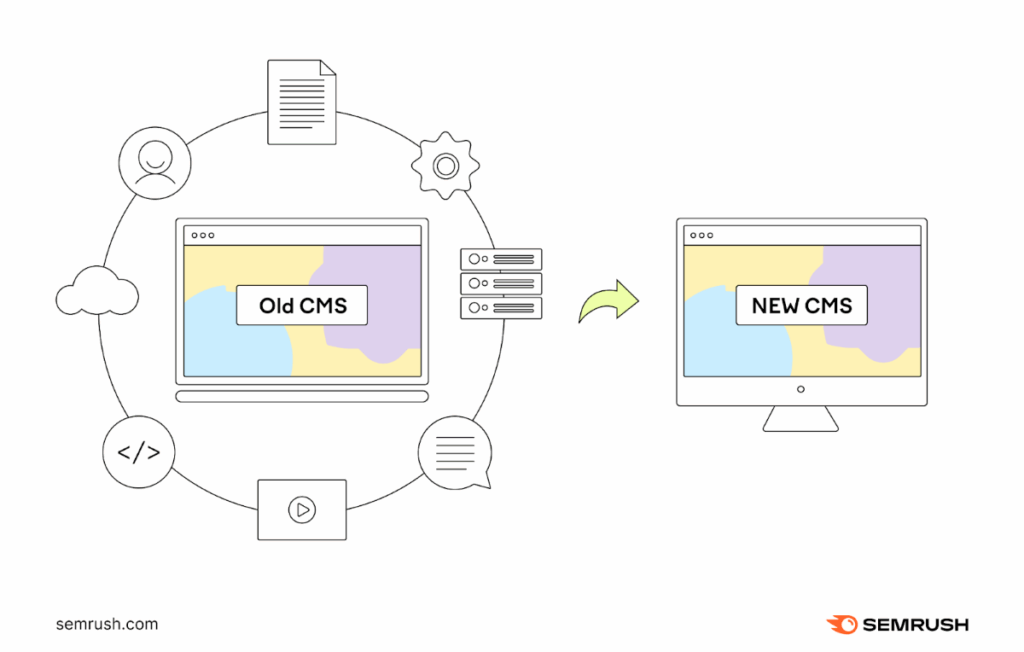
See Also : CMS Migration Checklist: What to Do Before Moving Your Business Website
User-Friendly Interface for Content Editors
The responsive UI caters specifically to non-technical content editors, featuring drag-and-drop functionality, WYSIWYG editing, and intuitive navigation. Enterprise content teams can manage complex site structures without requiring developer intervention. The interface adapts seamlessly across devices, enabling remote content management from tablets and smartphones.
Customised Workflow Management
Advanced workflow management allows enterprises to implement approval processes, ensuring content meets brand guidelines and compliance requirements before publication. Multi-language support facilitates global content strategies, whilst role-based permissions maintain security across distributed editorial teams.
Conclusion
Umbraco delivers a comprehensive solution that addresses every critical requirement for enterprise web development benefits. This secure scalable CMS combines robust security measures, unlimited scalability potential, seamless integration capabilities, and significant cost savings into one powerful platform.
The Umbraco advantages summary demonstrates why leading enterprises choose this CMS:
- Enterprise-grade security with granular permissions and compliance standards
- Unlimited scalability through cloud hosting and efficient architecture
- Seamless integrations with Microsoft ecosystems and third-party platforms
- Zero licensing costs with continuous feature enhancements
- Complete customisation flexibility for diverse business requirements
- Active community support from 220,000+ global contributors
- Built-in SEO tools and intuitive content management capabilities
These Top 7 Benefits of Umbraco Development for Enterprise-Level Websites create a foundation for digital success that grows with your business needs.
Ready to transform your enterprise website? Partner with certified Umbraco developers who understand enterprise requirements and can deliver measurable business outcomes. The right development partner ensures your Umbraco implementation maximises these benefits whilst providing ongoing support for long-term success.
More to Read : CMS Migration Checklist: What to Do Before Moving Your Business Website